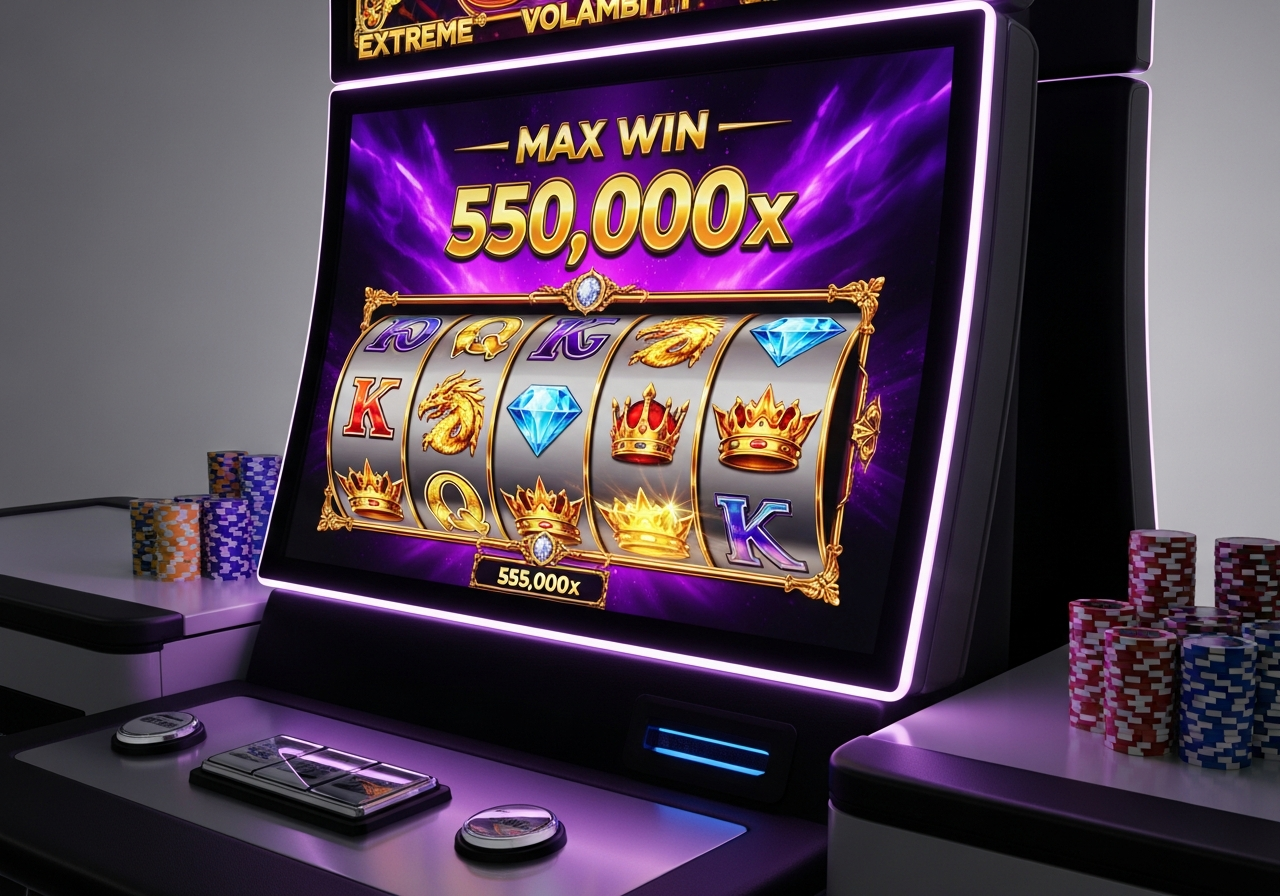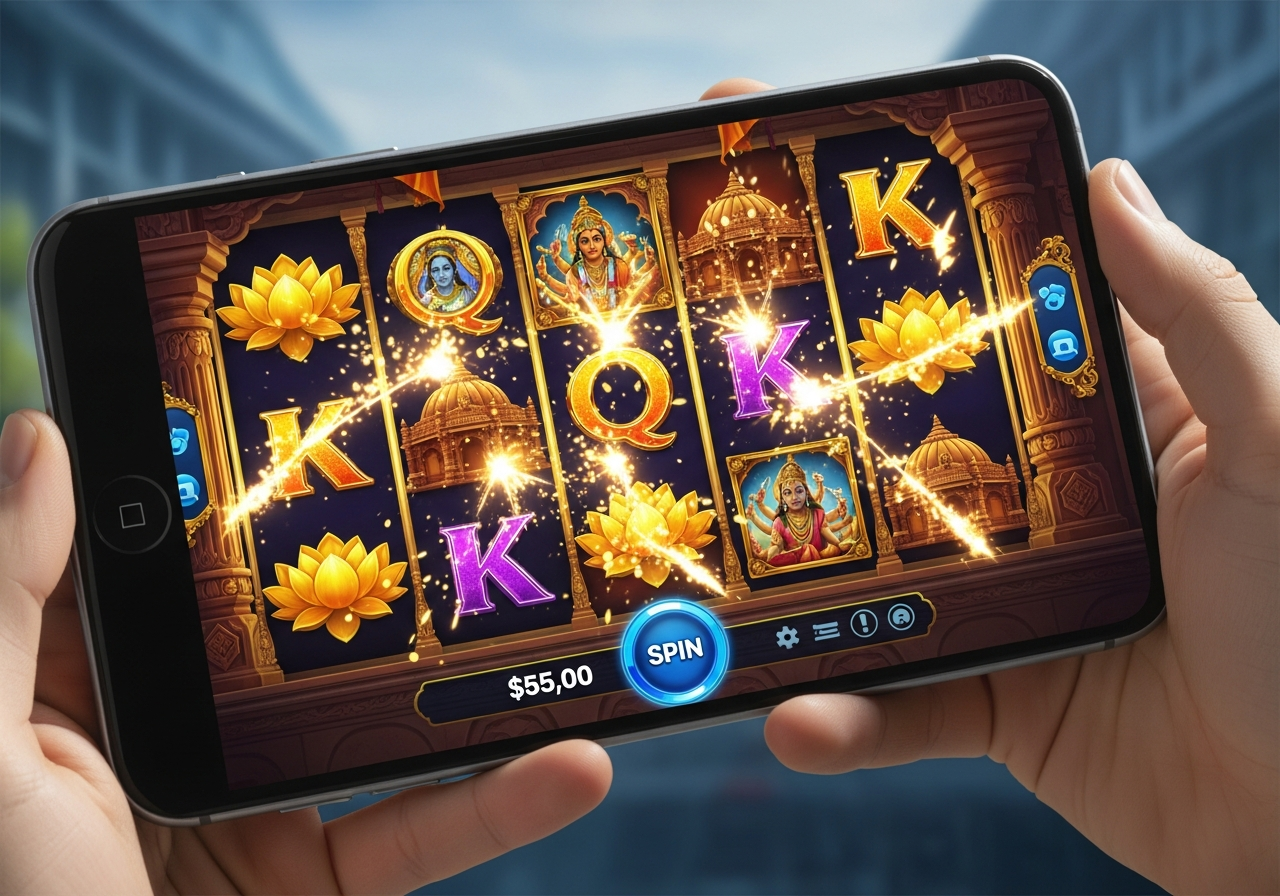
Slot machines have become the heartbeat of Indian online casinos, consistently outpacing table games and live dealer experiences in player engagement and popularity. Over the past few years, the visual evolution of these games has been nothing short of spectacular—moving from simple mechanical reels and flat digital symbols to breathtaking 3D environments filled with cinematic animations, dynamic effects, and immersive storytelling. Today’s leading Indian online casinos showcase thousands of 3D slots alongside classic titles, each designed to captivate players through stunning graphics, fluid animations, and culturally resonant themes that speak directly to Indian audiences.
This shift toward visually rich 3D slots reflects a broader industry trend: players are no longer satisfied with basic spinning reels. They crave experiences—engaging narratives, responsive animations, celebratory win sequences, and interfaces that feel alive and rewarding. For Indian players in particular, the appeal is even stronger when 3D slots incorporate familiar mythological imagery, festival-inspired color palettes, and symbols that resonate with local culture while maintaining world-class production quality.
Why 3D Slots Dominate Indian Online Casinos Today
Slots are unquestionably the most played games in Indian online casinos, and the integration of high-end 3D graphics has amplified their appeal dramatically. What drives this dominance isn’t simply the spinning mechanics—it’s the complete sensory experience that modern 3D slots deliver. Top Indian casino platforms now host libraries of hundreds to thousands of titles, with 3D slots forming a significant and growing portion of their offerings.
The reasons are straightforward: 3D slots combine ease of play with visual immersion and the promise of substantial wins. Unlike table games that demand strategy knowledge or live dealer experiences that require real-time engagement, slots offer instant gratification wrapped in stunning visual presentation. Indian players particularly respond to the diversity of themes available in 3D slots, from temple-inspired adventures and Bollywood-style cinematics to globally popular fantasy and adventure narratives rendered in lush, detailed 3D.
From Classic Reels to High-Definition 3D Experiences
The evolution of slot machine visuals has been a gradual but transformative journey. Mechanical slots of the 1960s and 1970s featured physical reels with painted symbols and simple mechanisms. As technology advanced into the video slot era of the 1990s and 2000s, digital displays allowed for more creative symbol designs, colorful backgrounds, and basic animations.
However, 3D slots mark a quantum leap in sophistication. Modern 3D slots employ advanced rendering engines similar to those used in video games, creating symbols that appear three-dimensional with depth, shadow, and realistic lighting. Reels themselves seem to exist in layered space, with foreground and background elements that create genuine visual depth. Animations are no longer simple frame-by-frame transitions—they’re fluid, physics-based movements where symbols tumble, cascade, and settle with natural motion.
The leap from classic video slots to 3D is most apparent when examining interface design. A modern 3D slot features animated buttons with depth, glowing interactive elements, and background scenes that feel alive with movement. Win sequences trigger elaborate 3D animations where symbols pulse, multiply, or transform. Bonus game entries unfold as mini-cinematic sequences with character animations, sound design, and visual storytelling that rival mobile game production values.
Why Indian Players Prefer Visually Rich Slot Games
Visual immersion operates as a primary driver of slot selection among Indian online casino players. The appeal stems from several interconnected factors. First, 3D graphics create a sense of presence and engagement that elevates the experience beyond mere gambling—it becomes entertainment, comparable to watching a well-produced film or playing a engaging mobile game.
Second, the visual complexity and richness of 3D slots directly correlate with player engagement duration. When a slot is beautiful, detailed, and responsive to player actions, sessions feel more rewarding even during dry spells between wins. The animations celebrating smaller wins feel satisfying; the visual feedback makes every spin feel consequential.
Third, Indian players show particular enthusiasm for slots with thematic diversity and cultural relevance. Whether it’s a 3D slot inspired by Hindu deities, Diwali festival imagery, or narratives set within Indian historical contexts, the visual presentation of these themes in high-definition 3D creates an immediate, emotional connection. A slot featuring intricately rendered gods and goddesses or beautifully animated festival celebrations generates player loyalty in ways that generic fantasy themes cannot.
Additionally, the simple gameplay mechanics of slots—select bet size, spin, watch results unfold—are enhanced dramatically when paired with visually stunning presentations. Players don’t need to learn complex rules; instead, they can relax and enjoy the visual spectacle while hoping for big wins.
Core Features That Make a 3D Slot Visually Stunning
The visual appeal of a 3D slot isn’t accidental—it results from deliberate design choices and technical implementation of multiple visual components working in concert.
- Animated Symbol Design: Symbols are rendered as 3D models with realistic textures, reflections, and dynamic lighting. They don’t simply appear and disappear; they spin and settle with natural motion, sometimes featuring micro-animations when part of wins (glowing, expanding, transforming).
- Depth and Layering: Modern 3D slots employ parallax scrolling and layered background elements where foreground reels, middle-ground imagery, and distant scenery move at different rates, creating genuine visual depth that draws players into the game world.
- Particle Effects and Explosions: Win celebrations trigger particle systems—cascading coins, sparkling lights, magical bursts—that spread across the screen with physics-based motion, making big wins feel genuinely celebratory.
- Cinematic Transitions: Scene changes, bonus entries, and mode shifts are punctuated by smooth camera pans, zooms, and rotations that feel like watching a film rather than navigating a simple interface.
- Dynamic Lighting and Shadows: Professional 3D rendering includes real-time lighting calculations where light sources illuminate symbols, create shadows, and shift as scenes transition, adding technical polish that casual observers immediately perceive as “premium quality.”
- Character Animation and Storytelling: Many 3D slots feature animated characters—hosts, guardians, or narrative figures—that move fluidly, gesture expressively, and interact with the reels through cutscenes or bonus sequences, creating emotional investment in gameplay.
- Responsive Interface Elements: Buttons, menus, and UI elements in modern 3D slots are themselves three-dimensional, featuring hover effects, glowing states, and smooth transitions that make interaction feel tactile and satisfying.
How Animations and Motion Effects Enhance Gameplay
Animations in 3D slots serve multiple purposes beyond mere aesthetics. They function as feedback mechanisms that communicate game state to players, reward behaviors, and create anticipation.
Spinning effects have evolved from simple reel rotations to complex animations involving blur, acceleration curves, and weighted settling. When a reel lands on a winning symbol, it may bounce slightly, glow, or trigger a brief character reaction. These micro-animations create psychological reward signals—the brain perceives them as confirmations of success.
Cascading reel mechanics, common in modern 3D slots, involve symbols falling from above after wins, with gravity-based animation that makes them feel physically real. They tumble, bounce slightly, and settle naturally, and when they create new wins, the cascade repeats. The visual continuity and motion make multi-cascade sequences feel like thrilling chain reactions rather than abstract win calculations.
Wild animations deserve special mention. When a wild symbol expands to fill multiple positions, modern 3D slots show this as a smooth growth animation—the symbol stretches, morphs, or multiplies in real-time. Sticky wilds often feature animated locks or glow effects that persist across spins. These visual cues help players instantly understand the mechanical advantage they’ve triggered.
Particle effects elevate win celebrations from simple score increases to visceral, celebratory moments. A major win might trigger an explosion of golden coins spreading across the screen, with each particle falling due to simulated gravity while scattering in randomized directions. These effects last just 1-2 seconds but create lasting impressions of success and generosity.
Types of 3D Slots Available in Indian Online Casinos
Indian online casinos host an impressive variety of 3D slot formats, each with distinct visual presentation approaches and mechanical structures. Understanding the landscape of available formats helps players navigate the vast libraries and select experiences aligned with their visual and gameplay preferences.
| Slot Type | Visual Style | Typical Features | Player Appeal in India |
|---|---|---|---|
| Classic 3D Reels | Polished, stylized symbols on elegant backgrounds | 3–5 reels, 9–30 paylines, traditional symbols | Nostalgic appeal with modern visuals; easy to understand |
| Video 3D Slots | Rich narrative backgrounds, animated characters | 5+ reels, 20–100 paylines, bonus games, free spins | Immersive storytelling; variety of themes including Indian |
| 3D Progressive Jackpots | Eye-catching jackpot meters with cinematic displays | Cumulative prize pools, dedicated bonus triggers | Excitement of pursuing massive prizes displayed prominently |
| Megaways 3D | Dynamic reel configurations with cascading visuals | Variable paylines (117,649+), cascading mechanics | High visual complexity; frequent win cascades feel rewarding |
| 3D Cluster Pay | Clustered symbols with grid-based animations | 5×5–7×7 grids, adjacency-based wins, tumbling effects | Dense visual information; busy, exciting playfields |
| Megareels and Gigareels 3D | Massive reel sets with proportionally scaled animations | 6+ reels per section, unusual layouts, cascading wins | Sheer scale creates visual spectacle and win frequency |
| Mythos and Cultural 3D Slots | Detailed cultural imagery, deity animations, festival colors | Theme-specific symbols, cultural narratives, story sequences | Deep cultural resonance; pride in representation and visual artistry |
3D Video Slots vs Progressive and Megaways Titles
Standard 3D video slots represent the largest category of visually stunning options in Indian casinos. They typically feature 5 reels arranged in traditional layouts (3, 4, or 5 rows) with paylines ranging from 20 to 100. What distinguishes them visually is the quality of symbol rendering, background animation, and transitional effects. A well-designed video 3D slot might feature a richly detailed fantasy landscape as its background, with animated elements like drifting clouds, glowing embers, or moving water that create environmental liveliness without distracting from the reels.
Progressive jackpot 3D slots amplify visual spectacle through persistent, dynamic jackpot displays. These games feature prominent meters or counters showing real-time prize pools that climb with every player wager across the network. The visual design of progressive slots emphasizes the growing prize—large, illuminated jackpot figures that change visibly as the pot grows, often accompanied by celebratory animations when thresholds are reached. Megaways titles introduce mechanical complexity that translates into visual variety: instead of fixed paylines, these slots feature variable reel heights and spinning mechanics that create different configurations on each spin. A Megaways 3D slot might display 4-7 rows on some reels and 2-3 on others, creating asymmetrical layouts that look visually dynamic and unpredictable.
Cluster-Pay and Grid-Based 3D Slots
Cluster-pay 3D slots use grid-based playfields—typically 5×5, 6×6, or 7×7 arrangements—where winning combinations form when identical symbols cluster together (adjacency-based, not necessarily aligned). Visually, these slots pack considerably more symbol density and activity into a single spin. The dense grid and cascading mechanics, where symbols fall into place after wins and new symbols replace them, create a constant sense of motion and possibility.
The visual presentation of grid-based slots differs notably from traditional reel games. Rather than watching discrete columns spin, players see an entire field of symbols tumbling and settling. The animation of symbols falling, colliding, and settling creates a busy, engaging visual experience. Cluster-pay mechanics often feature chain reactions where multiple cascades occur in succession, with each cascade triggering new animations and visual effects. Indian players often gravitate toward these densely animated games because the constant motion and frequent visual feedback feel more rewarding than traditional, slower reel-based formats.
Leading Software Providers Delivering 3D Slots to India
Several world-class software providers have become synonymous with visually exceptional 3D slots in the Indian market. These studios combine cutting-edge graphics technology with game design expertise to create experiences that elevate player expectations industry-wide.
| Provider | Known Visual Strengths | Representative 3D/Visual Slot Type | Presence in Indian Casinos |
|---|---|---|---|
| NetEnt | Cinematic depth, particle effects, smooth animations | Starburst, Gonzo’s Quest (3D version), Jammin’ Jars | Major presence; featured on most top Indian platforms |
| Pragmatic Play | High symbol definition, vibrant colors, diverse themes | Sweet Bonanza 100, Gates of Olympus, The Dog House Megaways | Extensive; one of the largest libraries in Indian casinos |
| Play’n GO | Polished interfaces, character-driven narratives, storytelling | Book of Dead, Fire Joker, Reactoonz series | Strong presence; known for cultural theme variants |
| Games Global / Microgaming | Diverse portfolio, rich backgrounds, legacy excellence | Immortal Romance, Thunderstruck II (updated 3D versions) | Historically significant; substantial Indian casino presence |
| Yggdrasil | Premium aesthetics, cinematic quality, cutting-edge rendering | Valkyrie, Hades the Underworld, Temple Stacks | Growing presence; premium tier positioning in Indian casinos |
| Hacksaw Gaming | Intense animations, bold color palettes, high volatility emphasis | Smoke Gun Eazy, Cashbuster, Elemental Apes | Emerging presence; building reputation for visual intensity |
| Red Tiger | Sleek design, color harmony, balanced visual-mechanical approach | Rainbow Jackpots, Tiki Fruits, Dragon’s Fire | Solid presence; known for polish and consistency |
How Global Studios Tailor Visuals for Indian Audiences
While major software providers maintain global standards for graphics quality and animation, they increasingly recognize the value of subtle localization that appeals specifically to Indian players. This localization rarely involves obvious changes to the core game mechanics; instead, it manifests through thoughtful choices in visual presentation.
Color palettes represent one of the most noticeable localization elements. Indian design traditions favor vibrant, saturated colors with cultural significance—saffron, deep greens, golden yellows, and rich reds. Software studios have begun incorporating these hues more prominently in Indian-market slot variants, whether in background gradients, symbol designs, or UI elements. A slot released globally might feature cool blues and purples; the Indian version might emphasize warmer oranges and golds without altering gameplay.
Thematic choices also reflect localization efforts. Global providers now commission Indian-themed slots featuring recognizable imagery: lotus flowers, peacocks, temples, festival fireworks, and deities rendered in high-definition 3D. More subtly, even generic adventure or fantasy slots receive Indian cultural touches—perhaps a character design inspired by Indian classical aesthetics, or musical scores incorporating traditional Indian instruments.
Character design in story-driven 3D slots often includes Indian representation, ensuring that animated hosts, guardians, or narrative figures reflect the ethnicity and cultural context of the target audience. This seemingly small detail significantly impacts player connection and immersion.
Indian Casino Platforms Showcasing 3D Slot Libraries
Top Indian online casino platforms compete largely on the basis of game volume, variety, and visual quality. Leading casinos typically host between 500 and 5,000+ slot titles, with 3D and high-graphics slots occupying premium positions in their game lobbies and featured sections.
| Casino Brand (India-facing) | Estimated Slots Volume | 3D/HD Slot Presence | Visual UX Notes |
|---|---|---|---|
| 1xBet | 2,000+ | Extensive; dedicated 3D section | Clean lobby with categorical filtering; fast loading on mobile |
| Bet365 | 1,500+ | Strong 3D library | Professional interface; curated “Best Graphics” collection |
| Betway | 1,200+ | Prominent 3D coverage | Organized by theme and provider; smooth transitions |
| Casumo | 800+ | High proportion of premium 3D titles | Modern lobby design; visual preview thumbnails for each slot |
| Spin247 | 1,500+ | Dedicated 3D games section | Fast-loading platform; filter by graphics quality |
| Parimatch | 1,800+ | Extensive visually rich selection | Mobile-optimized interface; quick-launch features |
All leading Indian casinos invest in modern lobby infrastructure that prioritizes visual presentation. Rather than forcing players to scroll through text-based game lists, top platforms feature large game thumbnails displaying screenshots or short video previews of each slot. This visual-first approach acknowledges that Indian players make game selections partially on immediate visual appeal.
Slot Lobbies and Game Discovery for Visual-First Players
Modern Indian online casinos structure their slot lobbies specifically to accommodate visually driven players. Rather than a single “all slots” view, leading platforms organize games across multiple dimensions: by provider, by visual style, by theme, and sometimes explicitly by graphics quality.
A typical lobby might feature a “3D Slots” category alongside “Video Slots,” “Megaways,” and “Live” sections. Within the 3D category, sub-filters allow players to narrow by theme (mythology, adventure, fantasy, fruit, etc.) and by release date (newest 3D slots appear prominently, leveraging the latest graphics innovations).
Thumbnail presentations have become increasingly sophisticated. Rather than static game logos, casino platforms now display animated previews or short video clips showing 3D slots in action—perhaps a brief reel spin or bonus sequence. These previews let players instantly assess visual quality and aesthetic appeal before launching the full game.
Search and filtering functionality in top Indian casino lobbies now includes options to sort by “highest graphics,” “most animated,” or “latest visuals,” recognizing that a substantial player segment prioritizes visual experience as a primary selection criterion.
Mobile-First Indian Casinos and 3D Performance
The majority of Indian casino players access games via smartphones rather than desktop computers. This mobile-first reality shapes how 3D slot optimization occurs. Leading Indian-facing casinos ensure that 3D slots perform flawlessly on mobile devices through careful technical optimization.
Modern 3D slot software uses adaptive rendering—graphics quality scales dynamically based on device capabilities. A high-end smartphone might display full-resolution textures and complex particle effects, while a mid-range device receives optimized visuals that maintain fluidity and visual appeal without overwhelming the processor. The result is that 3D slots typically look exceptional on mobile devices, sometimes appearing even more vibrant than desktop versions due to high-pixel-density phone screens.
Loading times represent a critical factor in mobile 3D slot optimization. While a complex 3D slot might require 5-10 megabytes of data, smart caching and progressive asset loading ensure that games launch quickly even on slower connections. Indian casinos particularly prioritize this optimization, recognizing that many players access services on 4G networks or even 3G connections.
Touch UI design also receives special attention in mobile-optimized 3D slots. Traditional mouse-hover effects won’t work on touch screens, so buttons feature touch-responsive states with visual feedback (color changes, scale animations) that confirm player input immediately.
Design Aesthetics: How Indian Culture Shapes Slot Visuals
The visual aesthetics of 3D slots in Indian casinos increasingly reflect the broader cultural identity of their player base. This isn’t limited to explicitly “Indian-themed” games; instead, subtle cultural preferences influence design decisions across the entire library.
Indian design traditions emphasize bold colors, symmetrical compositions, and ornamentation. These aesthetic principles have begun influencing how software providers approach 3D slot visuals. Symbols in Indian-market slots tend to feature more intricate detail and golden accents compared to their global counterparts. Background animations incorporate more elaborate patterns and dynamic elements. UI design incorporates symmetrical button arrangements and central focal points rather than asymmetrical layouts common in Western design.
Auspicious imagery appears frequently in 3D slots aimed at Indian audiences. Lotus flowers, which carry spiritual significance, are rendered as intricate 3D models in various slots. Number symbolism—the auspiciousness of the number 8, the significance of number 7—influences symbol placement and payline structures. Peacocks, historically celebrated in Indian art, appear as high-value symbols with detailed feather animations in cultural-themed slots.
The prevalence of festival imagery has grown substantially. Diwali-themed slots feature animated fireworks with particle effects that mirror real-world celebrations; Holi-themed games incorporate color spray animations; festival-specific symbols receive seasonal redesigns with thematic accuracy and visual richness. This approach validates player identity and cultural pride while delivering visually exceptional experiences.
Mythology, Festivals and Local Symbols in 3D Slots
Indian mythology provides a rich visual vocabulary for 3D slot designers. The major Hindu deities—Lakshmi, Ganesha, Durga, Shiva—appear as high-value symbols in numerous Indian-market slots, rendered in 3D with iconographic accuracy and artistic beauty. Lakshmi symbols frequently glow or shimmer, reinforcing associations with wealth and fortune. Ganesha’s elephant form is rendered with intricate detail, and his symbol animations might show him in blessing poses.
Beyond individual deities, mythological narratives inspire entire slot designs. Games themed around the Ramayana, Mahabharata, or regional legends feature cinematic introductions, character animations for major figures, and bonus sequences that unfold mythological stories through 3D animation. These narrative slots create deeper engagement because the storyline resonates emotionally with players familiar with these cultural foundations.
Religious and ceremonial symbols appear throughout Indian-themed 3D slots. Temple architecture is rendered with architectural detail and ambient animations (flickering oil lamps, swaying flower garlands). Sacred symbols like Om, swastikas (ancient Hindu symbol of auspiciousness), and ritual instruments receive respectful, beautiful visual presentation.
Festival-specific visuals extend beyond superficial decoration. A Diwali-themed slot features contextually accurate color combinations, diya (lamp) imagery, and animated celebrations that feel authentic rather than generic. Holi-themed slots incorporate the festival’s color-spray tradition into bonus animations and win celebrations. This cultural specificity elevates these games from merely “Indian-themed” to genuinely culturally resonant experiences.
Slot Game Animations and Motion Effects Behind the Scenes
The visual magic of modern 3D slots results from sophisticated animation and motion graphics techniques developed at the intersection of game development and film production.
Modern slot software employs skeletal animation systems, where character animations are controlled by articulated digital skeletons. This allows smooth, natural movement that can be tweaked and reused across multiple animation sequences. A character host in a slot might have separate animations for idle stance, gesture, celebration, and disappointment—all built from the same underlying skeleton but blended and sequenced to create contextually appropriate behaviors.
Particle systems power the magical explosions, sparkles, and celebratory effects associated with wins. Rather than pre-rendering every possible particle effect, modern slots generate particles dynamically. A win triggers a particle emitter at the win location; the emitter generates hundreds of small particles that inherit physics properties (gravity, air resistance, initial velocity) and fade out over time. This dynamic approach allows infinite variation—no two win celebrations look identical, which maintains visual freshness over extended play sessions.
Physics simulation plays an increasingly important role in modern slot animations. Reel symbols don’t simply snap into place; they fall due to simulated gravity, bounce slightly as they land, and settle with realistic motion curves. Liquidy symbols might slosh; heavy metal symbols might land with impact. These physical properties, while subtle, accumulate to create a sense of genuine weight and substance.
Reel Animations, Wilds and Bonus Sequences
The spinning reel represents the core animation in any slot game, and modern 3D implementations have refined this simple concept into an art form. Traditional reel spins use constant rotation speed; modern 3D slots employ acceleration curves where reels start slowly, reach peak speed mid-spin, and decelerate gradually as they approach their landing positions. These curves, borrowed from animation theory, create a sense of weight and momentum that feels more natural than constant-speed rotation.
When reels land on winning symbols, several animation layers activate. First, the landing symbol might trigger a landing impact animation—a brief scale animation or particle burst at the landing point. Then, if the symbol is part of a larger win, it highlights through color shift or glow, distinguishing it from non-winning symbols. Finally, entire winning combinations might trigger synchronized animations where all winning symbols perform matching movements (pulsing, spinning, enlarging) in unison.
Wild symbols receive special animation treatment. Standard wild expansion animations show the wild symbol growing to fill additional positions with a smooth scale animation. Sticky wild animations often feature visual locks or chains that persist across spins, with glowing effects that reinforce their persistence. Cascading mechanics feature wilds tumbling into position with the same gravity-based animation as regular symbols, maintaining visual consistency while emphasizing their value.
Bonus entry sequences represent opportunities for cinematic presentation. Instead of simply transitioning to a bonus game, modern 3D slots present elaborate cutscenes. A player might trigger a bonus by landing three scattered symbols; rather than immediately presenting the bonus grid, the slot plays a brief animated sequence—perhaps a character reacting with excitement, or a magical portal opening. These 3-5 second sequences cost no additional time but dramatically increase the sense of occasion and reward.
AI-Driven and Personalized Visual Effects
Emerging 3D slot technology explores AI-driven personalization of visual experiences. Some advanced slots now adjust animation intensity and visual complexity based on observed player behavior. A player who typically engages in long sessions might receive slightly more frequent particle effect celebrations, as the system learns that such effects correlate with extended engagement for this player profile.
More experimentally, some forward-thinking studios experiment with dynamic visual difficulty—not in terms of actual odds, but in terms of visual intensity. The frequency of flashing lights, particle effects, and dramatic win animations might increase during periods where the player is at risk of disengaging, or decrease if the player shows signs of frustration or fatigue. This represents speculative territory but points toward a future where visual presentation adapts to individual player needs and preferences.
Machine learning also influences symbol design and animation selection. By analyzing which visual treatments (colors, animation speeds, symbol shapes) correlate with the longest engagement times across millions of players, software developers can identify optimal visual approaches and incorporate them into new releases.
Examples of Visually Outstanding Slots Relevant to Indian Players
Examining specific high-graphics slots provides concrete examples of visual excellence and helps Indian players identify which games might appeal to their aesthetic preferences.
| Slot Title | Provider | Visual Highlights | Mechanics (RTP/Volatility High-Level) | Why it Appeals Visually |
|---|---|---|---|---|
| Gonzo’s Quest 3D | NetEnt | 3D character, parallax backgrounds, cascading animation | 96%, Medium volatility | Pioneering 3D presentation; character-driven narrative |
| Sweet Bonanza | Pragmatic Play | Candy symbols rendered in 3D, explosive win cascades | 96.48%, High volatility | Vibrant colors, frequent animations, celebratory tone |
| Gates of Olympus | Pragmatic Play | Mythological imagery, dramatic lighting, cinematic entry | 96.38%, High volatility | Cultural resonance (classical mythology), premium visuals |
| The Dog House Megaways | Pragmatic Play | Character animations, dynamic reel configurations, fun visual tone | 96.51%, High volatility | Engaging character, variable visual layouts, playful style |
| Book of Dead | Play’n GO | Rich Egyptian aesthetics, character-led narrative, smooth animations | 96.25%, High volatility | Historical theme, character-driven progression, story depth |
| Reactoonz | Play’n GO | Cartoon 3D characters, grid-based cascades, personality-driven | 96.27%, Medium volatility | Charming character design, dense visual activity, humor |
| Hades the Underworld | Yggdrasil | Premium 3D rendering, mythological detail, cinematic quality | 96.3%, High volatility | Top-tier production values, mythological resonance, visual polish |
| Jammin’ Jars | Push Gaming | Vibrant 70s aesthetic, character animations, dynamic music integration | 96.5%, High volatility | Retro-cool visual style, character expressions, cohesive theming |
| Wealth Infusion | Hacksaw Gaming | High-contrast colors, intense animations, bold symbol design | 96%, High volatility | Eye-catching visuals, rapid animations, energetic presentation |
| Thai Awesomeness | Onetouch | Tropical 3D elements, festival imagery, bright color palette | 96%, Medium volatility | Cultural relevance (Southeast Asian, visually similar to Indian aesthetics), vibrant presentation |
Story-Driven 3D Slots with Cinematic Presentation
A distinct category of visually outstanding slots prioritizes narrative over pure mechanics. These story-driven 3D slots present branching narratives, character progression, or episodic content where visuals drive emotional investment in the story.
Book of Dead exemplifies this approach. Rather than presenting a generic Egyptian theme, the slot develops a narrative around an adventurer discovering an ancient tome. The character appears in animated sequences when bonus features trigger, advancing the story visually. The entire aesthetic—mummified guardians, hieroglyphic symbols, torch-lit temples—creates visual cohesion that transforms the experience from a generic slot into a themed adventure.
Gonzo’s Quest similarly employs character-driven narrative. Gonzo, the animated conquistador, reacts visually to gameplay events. He cheers during winning spins, expresses disappointment during dry periods, and celebrates dramatically when big wins occur. These character animations, while non-mechanical, powerfully enhance player emotional engagement.
Newer examples push this concept further. Some studios now develop slots with multi-chapter structures where visual progression through different themed environments (moving from a jungle to a temple to a sacred chamber, for instance) creates narrative arc alongside mechanical progression. These slots use cinematic camera movements, environmental transitions, and character arcs to create experiences that feel more like interactive stories than traditional slot games.
3D Slots on Mobile: Indian Players’ On-the-Go Visual Experience
Mobile devices represent the primary gambling interface for Indian players, and 3D slot optimization for mobile platforms has become a critical technical priority for leading software studios.
- High-Definition Displays and Clarity: Modern smartphones feature pixel densities (400+ PPI) that make 3D slots appear sharper than on desktop monitors. High-resolution textures, fine details in symbol design, and crisp animated transitions all benefit from mobile screens’ inherent visual acuity.
- Responsive Design and Touch Optimization: 3D slots designed for mobile feature touch-friendly button sizes, responsive UI states that confirm tap inputs visually, and interface layouts that adapt seamlessly between portrait and landscape orientations without sacrificing visual quality.
- Efficient Asset Management: Mobile versions of 3D slots employ intelligent asset streaming where essential graphics load immediately while background details load progressively, ensuring smooth gameplay even on connection-limited networks common in India.
- Adaptive Graphics Quality: Smart rendering adjusts texture resolution, particle effect complexity, and animation frame rates based on device capabilities and available resources, maintaining smooth 60 FPS gameplay across a wide spectrum of devices.
- Battery Efficiency: Modern mobile-optimized 3D slots employ power-efficient rendering techniques, ensuring extended play sessions without rapid battery drain—a critical consideration for players engaging in longer gaming sessions.
- Tactile Feedback Integration: Modern mobile 3D slots integrate haptic feedback (vibration) triggered by major wins or bonus entries, adding a tactile dimension to visual celebrations and creating a more immersive multimodal experience.
Portrait vs Landscape and UI Scaling in 3D Slots
The orientation choice significantly impacts visual presentation in mobile 3D slots. Portrait orientation, used during casual play, displays narrower reels but taller symbol arrangements; landscape orientation maximizes screen utilization for both width and height, offering fuller visual immersion.
Leading 3D slots adapt dynamically to orientation changes. When a player rotates their device, the slot smoothly transitions—the reel orientation shifts, the UI elements reposition, and the background imagery reframes to fill the new screen dimensions. This adaptive design ensures that visual quality remains consistently high regardless of player orientation preference.
UI scaling deserves particular attention because Indian players on budget devices access casinos through smaller, lower-resolution screens. Top-tier casinos implement scalable UI systems where buttons, text, and information displays resize fluidly while maintaining readability and visual aesthetics. This approach ensures that a 3D slot looks polished on both flagship devices and budget phones.
Background animations and parallax effects also scale appropriately. On smaller screens, background detail might simplify slightly to maintain performance, but leading developers ensure these simplifications feel intentional rather than degraded.
Battery, Data and Performance Considerations
Extended 3D slot sessions on mobile devices involve real resource constraints. While modern smartphones handle 3D graphics competently, players should be aware of these limitations.
Battery consumption is the most obvious consideration. Continuous animation, screen illumination, and processor load during 3D slot play drain batteries considerably faster than passive activities. Indian players engaged in multi-hour gaming sessions often benefit from having a charger nearby or limiting session duration to preserve battery for other daily activities.
Data consumption, while typically modest (most slot spins consume less than 100 KB of network traffic), can accumulate substantially during extended sessions or on limited data plans. Some Indian casino apps offer low-data modes where visual quality reduces slightly to minimize bandwidth consumption.
Processing power and memory also matter on older or mid-range devices. While casinos optimize 3D slots for broad device compatibility, users of older smartphones may experience occasional stuttering during intensive animation sequences or bonus games featuring heavy particle effects. Closing background applications or restarting the device can alleviate these performance dips.
Beyond 3D: VR, NFT and Next-Gen Visual Trends in Slots
While mainstream Indian online casinos currently focus on optimized 3D slots, emerging technologies promise even more immersive and visually sophisticated experiences in coming years.
- Virtual Reality Slots: VR casino experiences where players don medium like Meta Quest or similar devices, entering fully immersive 360-degree casino environments. Instead of viewing a 2D or 3D representation of a slot machine, players in VR experience reels spinning directly in front of them in three-dimensional space. They reach out and pull handles, watch reactions from surrounding avatars of other players, and celebrate wins in shared virtual spaces.
- Blockchain-Based Visual Assets: NFT-enabled slots where players own unique, visually distinct versions of slot symbols or game assets. A player might own an NFT version of a high-value symbol with exclusive visual effects or animated variations unavailable in standard versions.
- AI-Generated Dynamic Visuals: Future slots employing AI art generation to create unique, personalized visual backgrounds, character designs, or celebration animations tailored to individual player preferences or regional aesthetics.
- Photorealistic Rendering: As mobile processing power continues increasing, slot visuals trend toward photorealism where symbols, characters, and environments appear indistinguishable from filmed video rather than obvious 3D models.
- Cross-Platform Visual Synchronization: Slots where visual experiences seamlessly transition between mobile, desktop, and VR formats while maintaining visual consistency and mechanical synchronization.
VR Slot Experiences and Immersive Casino Worlds
Virtual reality slots represent the frontier of slot visual presentation. While not yet mainstream in Indian casinos, early VR slot experiences provide glimpses of this technological direction.
In VR slots, the casino environment itself becomes part of the experience. Rather than playing in isolation, the player appears as an avatar in a virtual casino alongside other player avatars. They approach a virtual slot machine, which exists in three-dimensional space. The reel spinning occurs at eye level or slightly above, and the player experiences it from the perspective of someone standing at an actual machine.
VR implementations enhance visual storytelling dramatically. A bonus game entry might involve the environment transforming around the player—a casino floor might morph into a fantasy castle, or the slot machine itself might become an elaborate mechanical device with visible gears and moving components. Win celebrations can involve visual effects manifesting in the player’s immediate VR environment—confetti falling around them, lights pulsing, objects materializing.
Early examples demonstrate exceptional production quality. Some VR casino platforms partner with major slot providers to create exclusive VR versions of popular titles. A VR version of a fantasy-themed slot, for instance, might render the fantasy environment in full three-dimensional detail surrounding the player, with the slot machine anchored at the center. This immersive approach transforms what is mechanically a standard slot game into a profoundly different experience.
Balancing Visuals With RTP, Volatility and Responsible Play
While visual excellence represents a legitimate factor in slot selection and enjoyment, it should never overshadow fundamental mechanical considerations that determine the fairness and appropriateness of a particular game for an individual player.
Return to Player (RTP) percentage represents the most critical mechanical metric. RTP indicates the percentage of wagered money that a slot returns to players as wins over extended play periods. A slot with 96% RTP returns 96 cents for every dollar wagered, on average, over thousands of spins. Visually stunning slots feature RTP percentages ranging typically from 94% to 98%, with the slot’s visual quality unrelated to its RTP level. Players should verify a slot’s RTP before committing substantial bankroll, as visual appeal cannot compensate for significantly below-average return percentages.
Volatility—the variance in win frequency and magnitude—critically impacts session expectations. High-volatility slots produce larger wins less frequently; low-volatility slots produce smaller wins more often. A highly polished, visually exceptional slot with high volatility might result in lengthy losing streaks followed by occasional large wins. A player expecting frequent small wins would become frustrated regardless of visual quality. Conversely, a player seeking occasional big wins might appreciate the aesthetic excellence despite extended dry periods.
Payline and bet structure mechanics differ across 3D slots, and these mechanical differences merit consideration alongside visual assessment. Some slots feature fixed paylines, others feature dynamic paylines, and emerging formats use cluster-pay or ways-to-win systems. Understanding a particular slot’s mechanical structure ensures that bet sizing and expected win frequencies align with player expectations.
Reading Slot Info Panels Without Ignoring Visual Hype
Every regulated online casino slot provides detailed information panels accessible through a “?” button or “i” icon within the game interface. These panels contain essential mechanical and regulatory information that players should review before playing.
- Verify the RTP: Locate the stated Return to Player percentage, typically displayed as a range (e.g., “96.2%”) or specific value. This figure represents the mathematical fairness of the game.
- Assess Volatility Classification: Most modern slots classify volatility as low, medium, or high. Understand how volatility affects your expected win patterns and session duration expectations.
- Review the Payline/Payout Structure: Confirm whether the slot uses fixed paylines, dynamic paylines, or alternative win mechanics like cluster-pay or Megaways. Understand minimum and maximum bet ranges and how bet size affects payline activation.
- Examine Feature Descriptions: Information panels explain all bonus features, free spin mechanics, wild behaviors, and jackpot structures. Understanding these mechanics before playing ensures pleasant surprises rather than unexpected mechanical confusion.
- Check Regulatory Information: Licensed slots display certification and licensing information confirming operation under regulatory authority. This verification ensures fair game mechanics and responsible gambling protections.
Visual Engagement vs Bankroll Discipline
Visually rich, highly animated 3D slots create engagement that can inadvertently extend play sessions beyond initially planned duration. The combination of beautiful graphics, responsive animations, and frequent (even if small) wins generates compelling motivation to continue playing.
Responsible play requires deliberate strategies to maintain discipline despite visual engagement. Setting firm session time limits—”I will play for one hour, then stop regardless of current balance”—prevents visual appeal from stretching sessions into unintended marathon sessions. Setting strict bankroll limits—allocating a specific amount that one can afford to lose and stopping when that amount is depleted—ensures financial protection.
Indian players particularly benefit from bankroll discipline strategies because the cultural value placed on financial responsibility makes deliberate, planned gambling more aligned with personal values. Many successful Indian casino players structure their gambling as a form of entertainment with a predetermined cost, similar to budgeting for cinema tickets or dining out—money set aside specifically for entertainment use, not diverted from essential expenses.
The visual excellence of modern 3D slots enhances enjoyment considerably, but that enhancement should operate within carefully maintained boundaries of time and financial commitment. A beautiful 3D slot remains beautiful whether played for 30 minutes or three hours; the latter simply represents unnecessarily extended financial exposure. Pairing visual appreciation with time and monetary discipline creates sustainable, enjoyable gambling experiences.